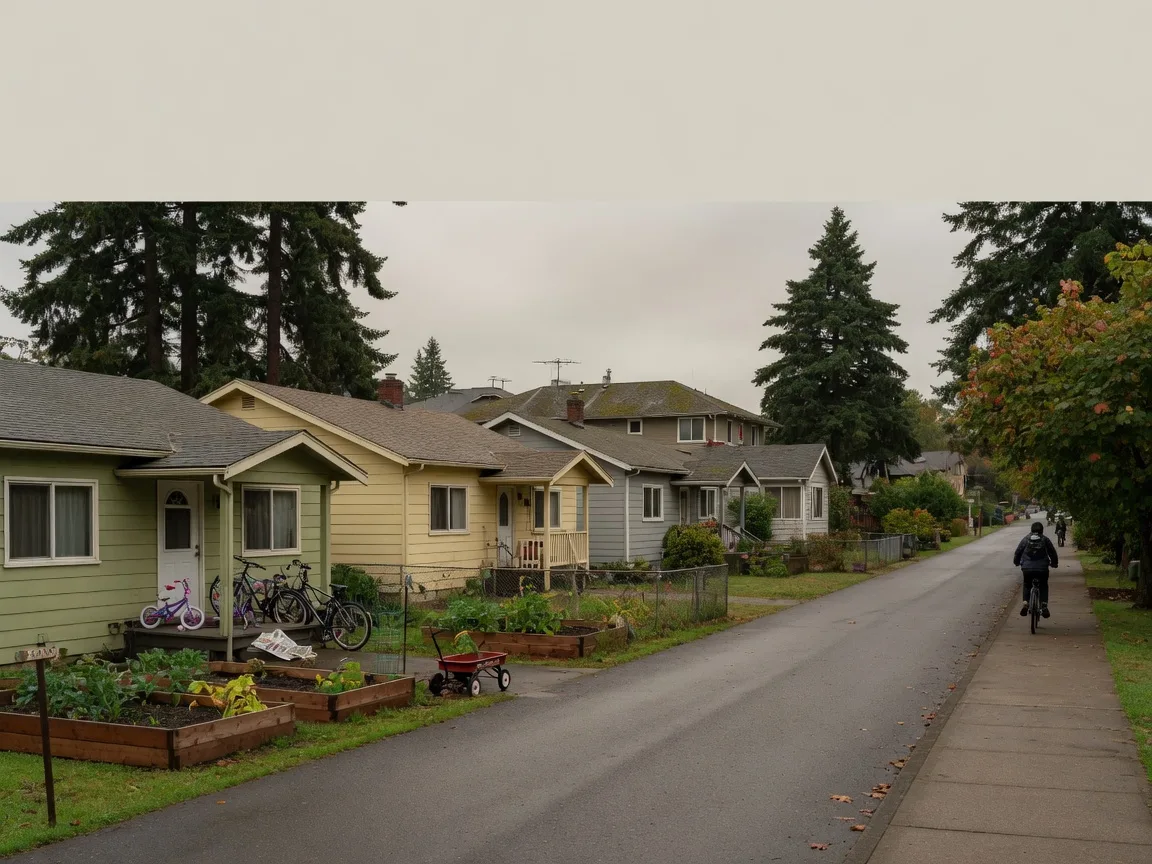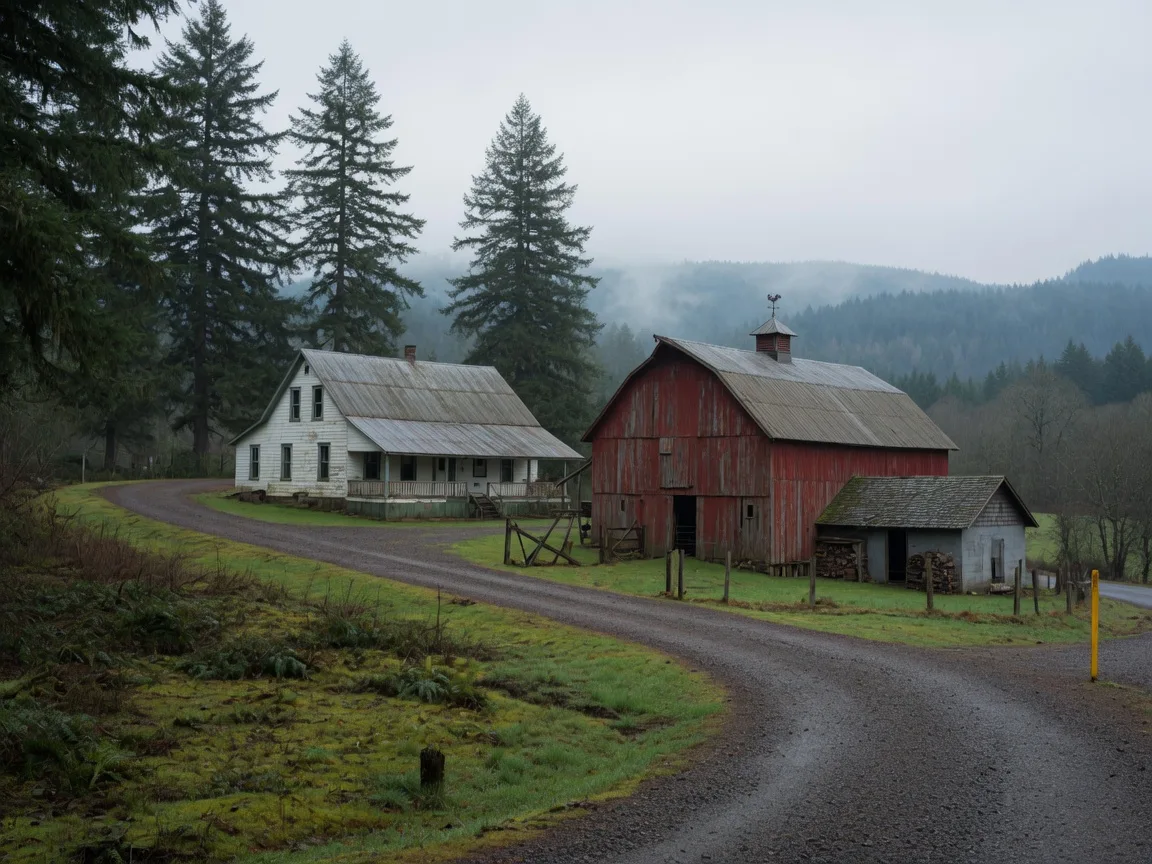

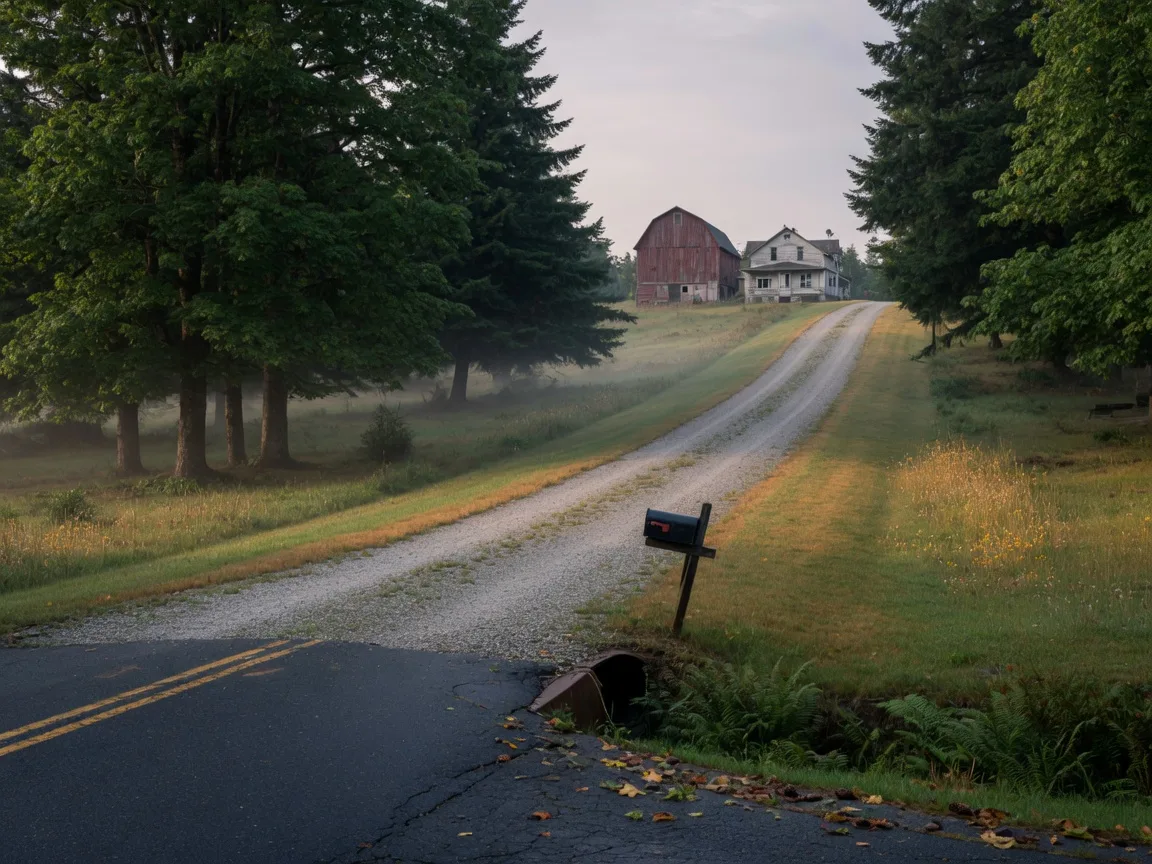
The question I hear most from move-up buyers is a fair one: how do we actually know we are ready?
Moving from a starter home to acreage in Lane County is not a bigger version of the same purchase. It changes your money, your weekends, and your maintenance list all at once.
This is the checklist I run through before we start looking: the equity number, the market numbers, the monthly carry, and the well, septic, and road questions that decide whether a property can hold the life you are planning.
"Moving from a starter home to acreage is not a bigger version of the same purchase. It changes your money, your weekends, and your maintenance list all at once."
Start with the Question, Not the Listings
Most buyers start by scrolling listings. That is how you find a house you like, but it is not how you decide whether you are ready.
The better start is three honest questions. Do we want the life that comes with acreage, or just more space? Can our numbers carry the move? And are we ready for the work that land quietly asks for?
Answer those three, and sorting the listings gets a lot easier.
Your Equity Is the First Number
The gap between what your home is worth today and what you still owe is your working capital. It becomes your down payment, your moving budget, and your buffer for whatever the new property needs.
Nationally, the last five years have treated starter-home owners well. Homeowners gained about $150,000 in equity on average, and starter homes appreciated faster than higher-priced homes, roughly 54 percent. Your number is the one that matters, and it starts with an accurate value for your current home.
Rough math matters here. If the step to acreage spends your entire equity check, you have no buffer left. Ready usually means the equity covers the move and still leaves you breathing room.
What the Lane County Numbers Look Like Right Now
Here is the market you are stepping into, as of mid-2026. Lane County's median home price came in around $466,000 in July, down slightly from a year earlier. Springfield's median sale price sat near $437,000, and Eugene's ran around $500,000.
Acreage is its own bracket. Lane County land lists at a median of roughly $15,500 an acre, and most house-and-land parcels near town sell as homes first and land second. Springfield-area rural listings have averaged about $678,000 for roughly five acres, while Eugene-area rural listings average closer to $931,000 for about fourteen acres.
The numbers move every month, so the takeaway is not the exact figures. It is the shape of the step: moving from a starter home to acreage near town is a real jump, and knowing the size of it matters before you start touring.
The Monthly Carry Is Different from the Mortgage
A bigger parcel does not mean a bigger mortgage payment and nothing else. Acreage changes what you pay every month in ways a lender never shows you.
Here is what I build into the budget picture with move-up buyers:
- Property taxes: generally higher on a larger parcel, and the step up can be bigger than buyers expect.
- Heating and utilities: rural homes often run on a well pump, propane, and wood, and each has its own rhythm and cost.
- Septic and well: not monthly bills, but scheduled ones: pumping, water testing, and the occasional repair.
- The road and the driveway: on many acreage parcels you maintain access, which means gravel, grading, and an occasional load of rock.
The Well and Septic Questions Belong Before the Offer
On acreage, two systems decide more than almost anything else whether a property works: the well and the septic. Neither shows up in photos, and neither is cheap to fix.
This is what those two lines actually cost right now, so the offer you write is an informed one:
- Wells: order a flow test and a water quality test before you commit. If the property needs a new well, plan for it: drilling a residential well in Oregon commonly runs about $8,400 to $10,000 or more for a complete working system, and new construction involves a $550 landowner well permit with the state water resources department.
- Septic: ask when it was last pumped and inspected, and what type it is. A full replacement in Oregon typically runs about $8,000 to $15,000 for a conventional system and $15,000 to $50,000 for an engineered one.
- Know which kind of surprise you might be buying. Buyers who see these numbers before the offer make calm decisions. Buyers who learn them after closing have a very different year.
Sell First or Buy First?
The sequencing question is real, and the honest answer is: it depends on your numbers and your tolerance for two moves.
Selling first gives you the cleanest offer. No contingency, full equity in hand, nothing to juggle. The cost is time, and usually a short-term rental or a bridge between homes.
Buying first with a sale contingency keeps your family in one place. It is a workable position, especially in a market where homes take a moment to sell, and it can cost you a little negotiating room.
The right call comes out of the same three questions from the top: the equity, the carry, and the timeline. That is a conversation worth having on a call, not in a comments section.
The Readiness Checklist
Here is the short list I hand move-up buyers. If you can say yes to all of it, you are not just wanting acreage. You are ready for it.
- Your equity covers the down payment and leaves a buffer for well, septic, fencing, and the first year of surprises.
- The monthly carrying costs fit your budget with room to spare.
- You have walked the property questions: well, septic, zoning, road access, and outbuildings.
- Your why is durable. You want the life: the space, the animals, the garden, the quiet. Not just an escape from the neighborhood.
Free Acreage Buyer Checklist
The free checklist I built for Lane County buyers turns every due-diligence item from this post and the rest of the series into one printable list: wells, septic, zoning, easements, and carrying costs.
Your Next Step
Ready is not a feeling. It is a set of numbers and questions you can answer out loud.
If you want to run yours, book a free 30-minute call. We will go through the equity, the market, and the carrying costs, and you will leave knowing which way your move goes.